
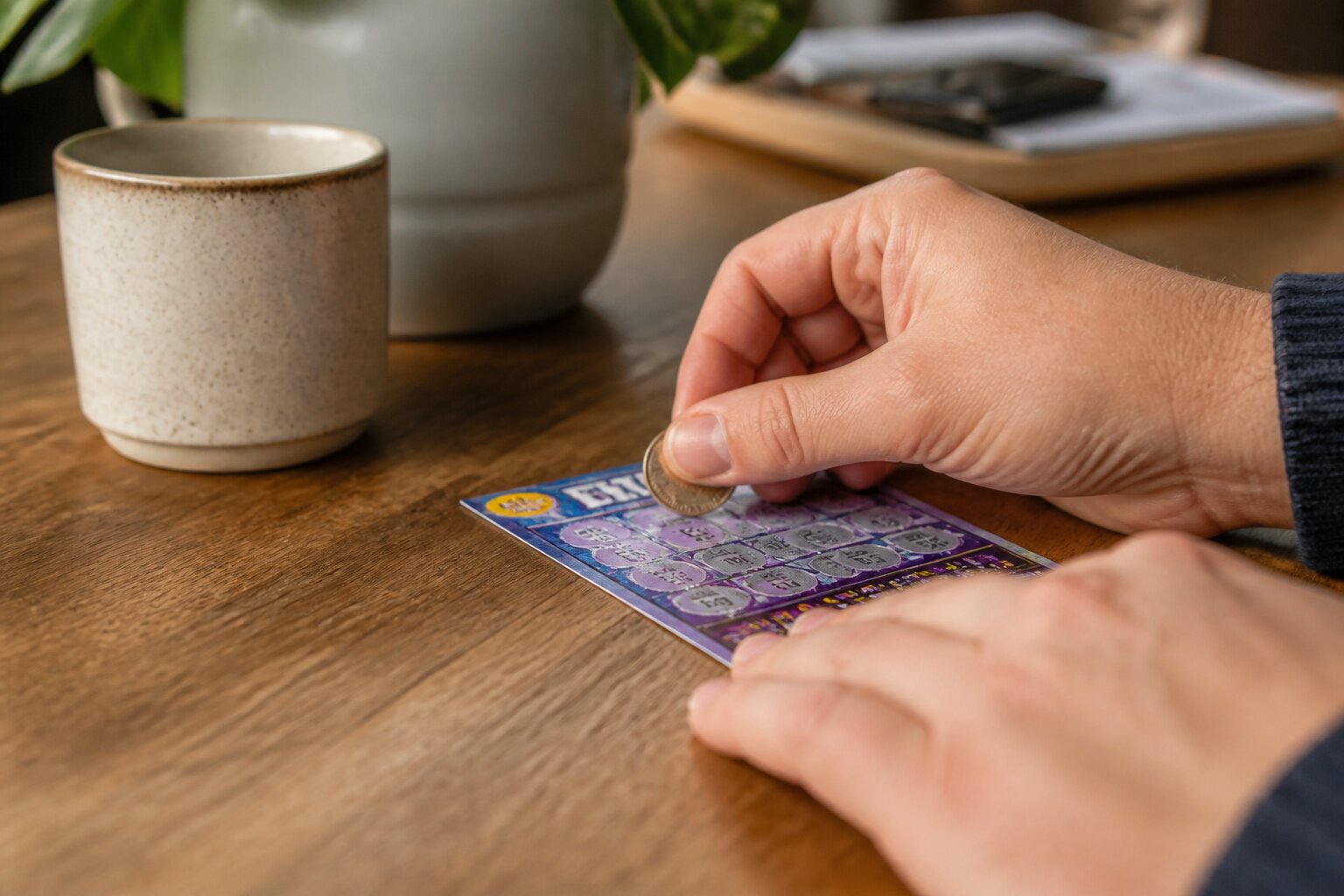
Ever wondered what your real chances are when you buy a scratch cards? You’re not alone. Many players enjoy the instant reveal and bold prize amounts, but it helps to understand how the game is structured before spending money.
Behind every ticket there are set odds and a prize structure that determine how often prizes appear and how big they tend to be. Read on to learn what affects those chances, how to interpret the information printed on a card, and how to keep play sensible and informed.
How Do Scratch Cards Work?
Scratch cards are instant-win games sold in shops or presented online. A typical physical card has panels covered by a thin layer of foil that you remove to reveal numbers or symbols; online versions use the same idea but display results on screen. The printed instructions on each ticket explain the combinations needed to win and list the prizes for those combinations.
Each series of cards is produced with a fixed set of prizes and a predetermined number of winning tickets. The manufacturer arranges those prizes before distribution, so the declared odds reflect the full run of cards for that game. Because the outcome of any single ticket is independent and pre-set by the production process, there is no skill that changes the chance of a particular ticket being a winner.
You must be 18 or over to buy or play scratch cards, whether in a shop or online.
Understanding Scratch Card Odds
Odds on scratch cards tell you the ratio of winning tickets to total tickets for a given game. They are often expressed as “1 in 4,” meaning one winning ticket exists, on average, for every four printed in that game. This is an average across all cards made and does not guarantee a win after any specific number of purchases.
Odds and prize allocations are fixed when the cards are produced. Retailers and players do not know which individual tickets are winners; prizes are mixed during distribution. For more detailed insight, some games publish a prize breakdown showing how many prizes of each value exist in the overall print run, which gives a clearer picture of how common smaller prizes are versus major ones.
These published figures are the best guide to what you can realistically expect from a particular scratch card game.
What Affects the Odds of Winning a Scratch Card?
Several factors shape the odds printed for a scratch card. The total number of tickets produced is a main influence: a larger print run can dilute the frequency of prizes if the number of winners does not increase proportionally. The prize structure also matters—games with a handful of high-value awards will generally have longer odds for those top prizes and more small prizes to balance the overall payout.
Design features such as bonus plays or multiple games on a single ticket change how prizes are distributed across a card but do not alter the predefined odds for the game as a whole. All these elements are decided before cards are released and remain fixed for that production batch.
Understanding these components helps when comparing different scratch card options and sets expectations about how often you might see returns relative to the ticket price.
Types of Scratch Cards in the UK
Scratch cards come in physical and digital forms, each offering the same basic mechanics but a slightly different experience. Physical tickets are bought in shops and require scratching off a foil panel to reveal symbols; online versions replicate that reveal visually and sometimes include animations or bonus mechanics that enhance the presentation.
Price points vary, commonly starting at around £1 and rising to higher denominations, with larger prizes offered on more expensive tickets. Themes range from simple number-matching games to branded or seasonal designs, but all legitimate games must meet regulatory standards for fairness and transparency.
Next, it helps to look at how prizes are structured within those different types of tickets so you can compare value and the likelihood of different outcomes.
Comparing Scratch Card Prizes
Prize structures balance frequent small wins with rarer, high-value payouts. Smaller prizes tend to cover the ticket cost or return a modest sum and make up the bulk of winning tickets; the top prizes are intentionally scarce. This built-in balance ensures that a game can offer headline-grabbing jackpots while remaining viable overall.
Instant-win scratch cards deliver immediate results, which contrasts with draw-based lottery formats that require waiting for a scheduled draw. Draw-based games can offer much larger top prizes, but they also come with different odds and a different player experience—one is immediate and disposable, the other is delayed and may involve pooled prize funds.
With this in mind, comparing prize breakdowns across games is the clearest way to see where your money buys more frequent small returns versus a long-shot chance at a big prize.
Are Scratch Cards Really Random?
Yes — both printed and online scratch cards are subject to controls intended to ensure outcomes are unpredictable and fair. For physical cards, the total number of winning and losing tickets is fixed during production and the tickets are distributed in a way that prevents anyone from knowing which are winners. Online games use random number generator (RNG) systems to produce independent results for each play.
Independent testing and certification by approved bodies help verify that operators follow required standards. Licensed providers must meet regulatory rules that govern game design, auditing and the publication of information such as odds and prize tables, reinforcing the integrity of the games available to players.
Understanding these safeguards can give confidence in the fairness of the play; next, we’ll look at common misunderstandings that can colour people’s expectations.
Common Myths About Scratch Card Odds
Several persistent beliefs about scratch cards are misleading. The idea that buying from a specific shop, from a newly opened pack, or at a certain time will improve the chances is incorrect because tickets are distributed and mixed before sale. Another common mistake is thinking a win is “due” after a streak of losses; each ticket’s outcome is independent of previous ones.
Searching for patterns in serial numbers or ticket appearances won’t reliably identify winners, because modern production and testing are designed to avoid any visible clues. Finally, while buying more tickets increases the total number of play opportunities, it does not change the odds for each individual ticket; the underlying probability distribution remains the same.
Keeping these myths in mind reduces the risk of making choices based on false assumptions and helps maintain clearer expectations about outcomes. If questions remain about specific games, examining the published prize breakdowns is usually the most informative next step.
Responsible Play and Setting Expectations
Approaching scratch cards as a form of entertainment helps keep spending proportionate to personal means. Before playing, deciding on an amount you are comfortable spending and sticking to it limits the risk of chasing losses or spending money needed for essentials. Time limits or simple rules about how often to play can also prevent short-term loss of control.
Celebrate modest wins but recognise that large prizes are uncommon; prize tables and odds make that clear. If play starts to cause stress or interferes with daily life, confidential support and advice are available from organisations such as BeGambleAware and GamCare.
Being realistic about what scratch cards provide — a brief, chance-based experience rather than a reliable way to make money — helps keep play enjoyable and within personal boundaries.
Where Can You Find the Best Scratch Card Odds?
Information on odds and prize distribution is often easy to locate if you know where to look. Physical cards usually list the odds or a reference to the prize structure on the back, while online games typically include the odds and payout percentages within the game rules or help sections. Some operators publish full prize breakdowns for each game, showing the number of prizes at each value, which is the most transparent way to compare offerings.
Choose tickets from operators that provide clear, accessible information about odds and prize composition. That transparency lets you weigh whether a game’s balance of small frequent prizes versus rare large payouts aligns with your expectations. With those details clear, you can make an informed decision about whether a particular scratch card meets your preferences and budget.
**The information provided in this blog is intended for educational purposes and should not be construed as betting advice or a guarantee of success. Always gamble responsibly.