
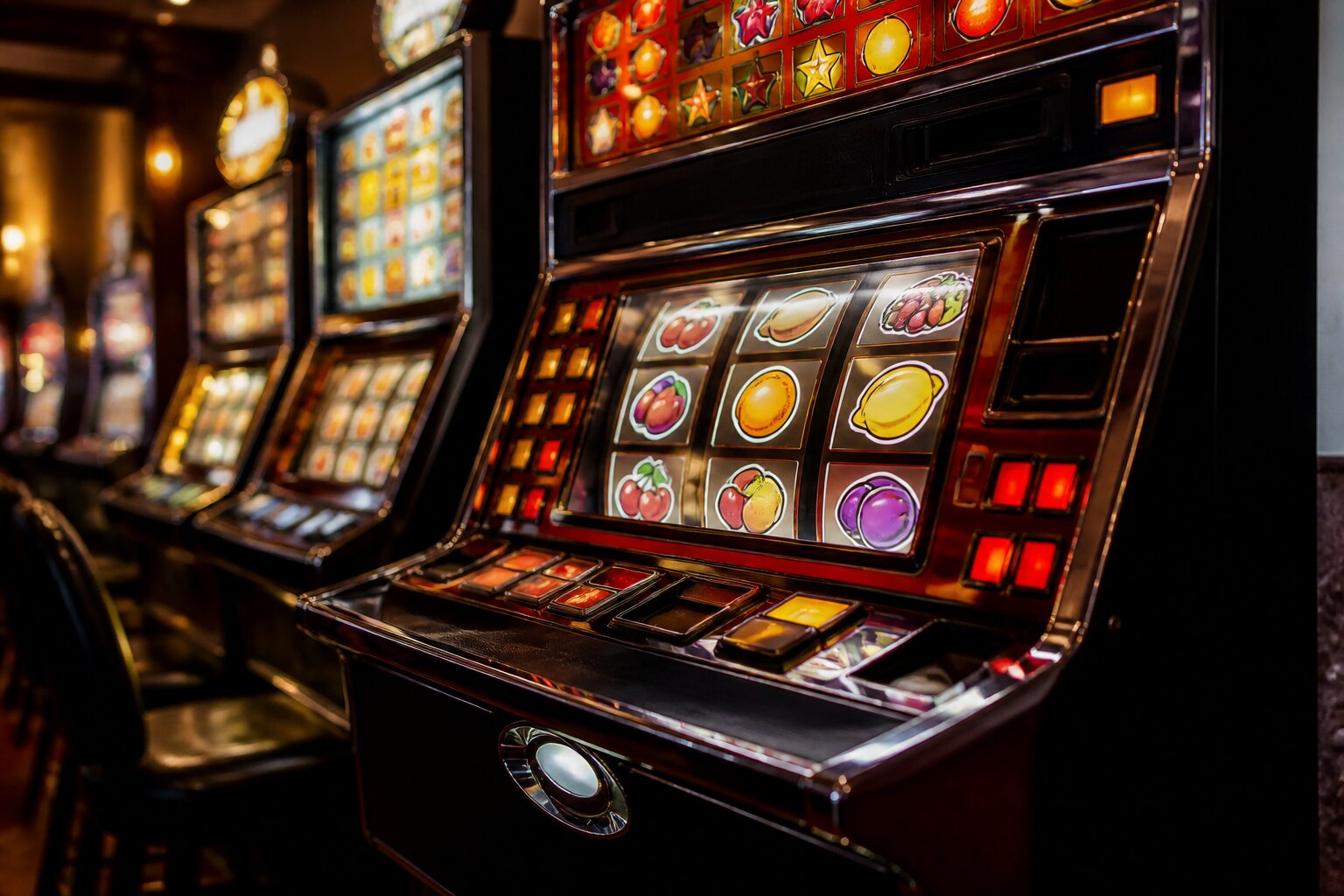
If you've ever heard someone in Scotland call a fruit machine a "puggy", it might have sounded charmingly odd. These machines have been a familiar sight in pubs and arcades for more than a century, and the names people use for them carry a lot of local colour.
This article traces the nickname back through history, looks at how the machines have evolved, and explains why different parts of the UK still use different words for the same thing. Read on to find out how a slice of everyday language became attached to a staple of British entertainment.
What Does "Puggie" Mean & Where Did the Term Originate?
"Puggie" is chiefly Scottish slang for a slot or fruit machine, especially the older pub-style units with spinning reels and fruit symbols. Linguists offer a couple of plausible origins, though neither has definitive proof.
One suggestion links puggie to an old Scots word meaning monkey, a term once used colloquially for petty thieves. That association may have been a wry reference to how quickly coins can disappear into the machine. Another idea connects puggie to an older word for a pouch or bag, perhaps nodding to the coin hopper inside the cabinet. Both theories point to tangible features of the machine or to local social language, which helps explain why the word lingered in regional speech.
Today the term survives mainly as part of Scotland's regional vocabulary. Hearing it gives a hint of local history and the way everyday inventions become woven into how people talk about daily life.
How Did the Term "Fruit Machine" Become Popular in the UK?
The name "fruit machine" comes directly from the machines' visual design. Early 20th century gambling devices commonly displayed fruit symbols such as cherries, lemons and plums. When these machines were first used to dispense sweets or chewing gum rather than cash, the fruit icons made the prize types easy to recognise.
As the devices spread through arcades and pubs, the fruit imagery stuck and the descriptive term moved from literal to conventional use. When legislation later began to treat these devices as a distinct class of amusement machine, the label "fruit machine" offered a simple way to identify them for regulation and public conversation.
Even now, despite modern machines sporting a wide range of themes and graphics, "fruit machine" remains a familiar, shorthand name for the genre that started with those colourful reels.
The Evolution of Slot Machines in British Culture
Slot machines arrived in the UK in the early 1900s, initially as mechanical amusements in seaside arcades and fairgrounds. Those early models relied on physical parts, coin mechanisms and simple payout systems, which made them practical for casual entertainment venues.
As decades passed, the technology shifted. By the 1960s electrical and electronic components began to replace purely mechanical systems, opening the door to more varied game designs. At the same time, these machines moved into pubs and social clubs, becoming part of the soundtrack of everyday leisure.
Regulation followed the machines. Laws introduced in the mid 20th century formalised licensing and safety standards, aiming to make sure machines operated transparently and that venues took steps to protect players. In recent years digital technology has accelerated change again: video displays, cashless play and networked jackpots transformed both how games look and how they are managed.
Throughout this history, two constants remained: operators adapted the machines to new venues and rules, and players responded to the novelty and accessibility of the games. That interplay of invention, business and social habit shaped the familiar scene of machines in pubs and arcades.
Puggies vs Fruit Machines: Are They the Same?
In practical terms, puggies and fruit machines are the same thing. The difference lies in local vocabulary rather than in design or legal status. In Scotland the colloquial name puggie persists, while elsewhere in the UK people tend to say fruit machine or slot.
Legally and technically these machines are treated the same way. They share comparable features such as spinning reels or simulated reels, stake options and prize structures, and they must meet the same technical and safety standards applied across venues. So when you hear either name, you are hearing two regional labels for the same class of amusement device.
This linguistic variety is a reminder that regional speech patterns often survive alongside uniform regulations and industry standards.
Myths & Misconceptions About Slot Machine Terminology
People sometimes assume that different names imply different machines, odds or legality. That is not the case. Terms like puggie, fruit machine and slot are largely regional or historical labels and do not indicate distinct technical categories.
Another common misunderstanding is that older-sounding names refer to machines with looser controls. In the UK every machine in lawful operation is subject to consistent rules on fairness and transparency, regardless of what players call it. The regulatory framework ensures that appearance or local nickname does not determine how a machine performs or how it must be run.
Clearing up these misconceptions helps focus attention on how the machines actually work and how they are governed, rather than on folklore or local legend.
Why Do Slot Machines Use Fruit Symbols?
Fruit symbols date back to the earliest commercially successful slot machines. At a time when gambling laws made direct cash payouts problematic, manufacturers used fruit and other innocent images to disguise the nature of prizes, which were often sweets or chewing gum. Each symbol acted as a clear visual cue for the type of prize a player might receive.
Those graphics proved memorable and effective. Even after regulations changed and cash payouts became standard, the fruit icons survived as a strong visual brand for the machines. Today they tend to be a design choice that nods to the genre's history, giving players a familiar set of symbols that have been associated with these games for generations.
The Influence of Regional Dialects on Gambling Terms
Regional dialects shape how everyday objects are named, and gambling devices are no exception. Words like puggie capture local speech patterns and an oral history that is kept alive through social use. These terms can vary not only by nation but by town and neighbourhood, reflecting how language evolves in local contexts.
Recognising regional terminology can help when visiting different parts of the UK. It also illustrates how products and pastimes become embedded in culture: the machines were adopted into local life and the local language absorbed them in return.
If you travel or move between areas, picking up these terms can be a small way of connecting with local conversation and customs.
How Modern Slots Differ from Traditional Puggies
Machines have moved on considerably from the old mechanical puggies, but the core idea of a reel-based game remains. Modern devices use software, digital screens and secure payment systems, which changes how games present themselves and how operators manage play. The visible form may still look familiar, but underneath there are many technical and regulatory differences.
Differences in Design and Technology
Contemporary machines use video displays and random number generation software to determine outcomes, rather than relying on purely mechanical mechanisms. That allows for richer graphics, animated bonus features and more flexible game math, giving designers scope to create a wider variety of themes and prize structures.
Payment systems have shifted as well, with cashless options, card and app-based transactions and electronic accounting allowing venues to offer a smoother, traceable experience. Remote software updates and telemetry mean operators can deploy new games and monitor machine performance without having to intervene physically every time.
These technical changes also help operators meet regulatory requirements. For example, central logging and telemetry make it easier to show clear game information, produce audit trails and monitor play patterns where appropriate, while secure software ensures outcomes are generated fairly and consistently.
Changes in Regulations and Payouts
Regulatory standards have become more detailed over time. Modern machines must provide transparent information about stakes and returns, and their technical certification confirms compliance with fairness and safety standards. Independent testing laboratories and certification processes are commonly used to verify that random number generators and payout mechanisms behave as expected.
Payout settings, often expressed as return-to-player (RTP) figures, are controlled within a legal framework so players can make better-informed choices. In addition to RTP, operators and regulators pay attention to game volatility and the range of possible prizes, as these affect how a game behaves over short and long sessions.
Alongside these technical measures, venues and operators are expected to provide clear guidance and support resources for players. Typical protections include:
- visible information about stakes, RTP and rules on the machine or nearby screens
- tools and policies for managing play, such as voluntary limits and self-exclusion options
- staff training, player support materials and links to further help for those who need it
- monitoring systems to identify potentially harmful play patterns and enable appropriate intervention
These protections aim to make the gaming environment safer and more transparent while preserving the entertainment value of the games. They form part of a broader regulatory approach that balances consumer protection with the legitimate operation of licensed gaming venues.
Are Puggies Still Used in the UK Today?
You will still hear the word puggie in Scotland, though the machines you encounter will generally be modern versions rather than the older mechanical cabinets. The name now serves more as a cultural marker than a description of a specific machine type.
Across the UK, venue operators provide updated machines that meet current standards. Whether called a puggie or a fruit machine, the devices are designed to the same technical and legal specifications. If you play, it is sensible to check the on-screen information and venue notices so you know how a particular machine is set up and what support is available if you need it.
These terms endure because they connect people to a familiar pastime and to the history behind it, while the modern environment ensures play takes place within a regulated framework.
Final note: the nickname puggie tells a small story about language and local culture, while the machines themselves show how technology and regulation have changed a once-simple amusement into a carefully managed part of public leisure. Whether you call one a puggy or a fruit machine, the name is a piece of social history you can still hear in conversation today.
**The information provided in this blog is intended for educational purposes and should not be construed as betting advice or a guarantee of success. Always gamble responsibly.