
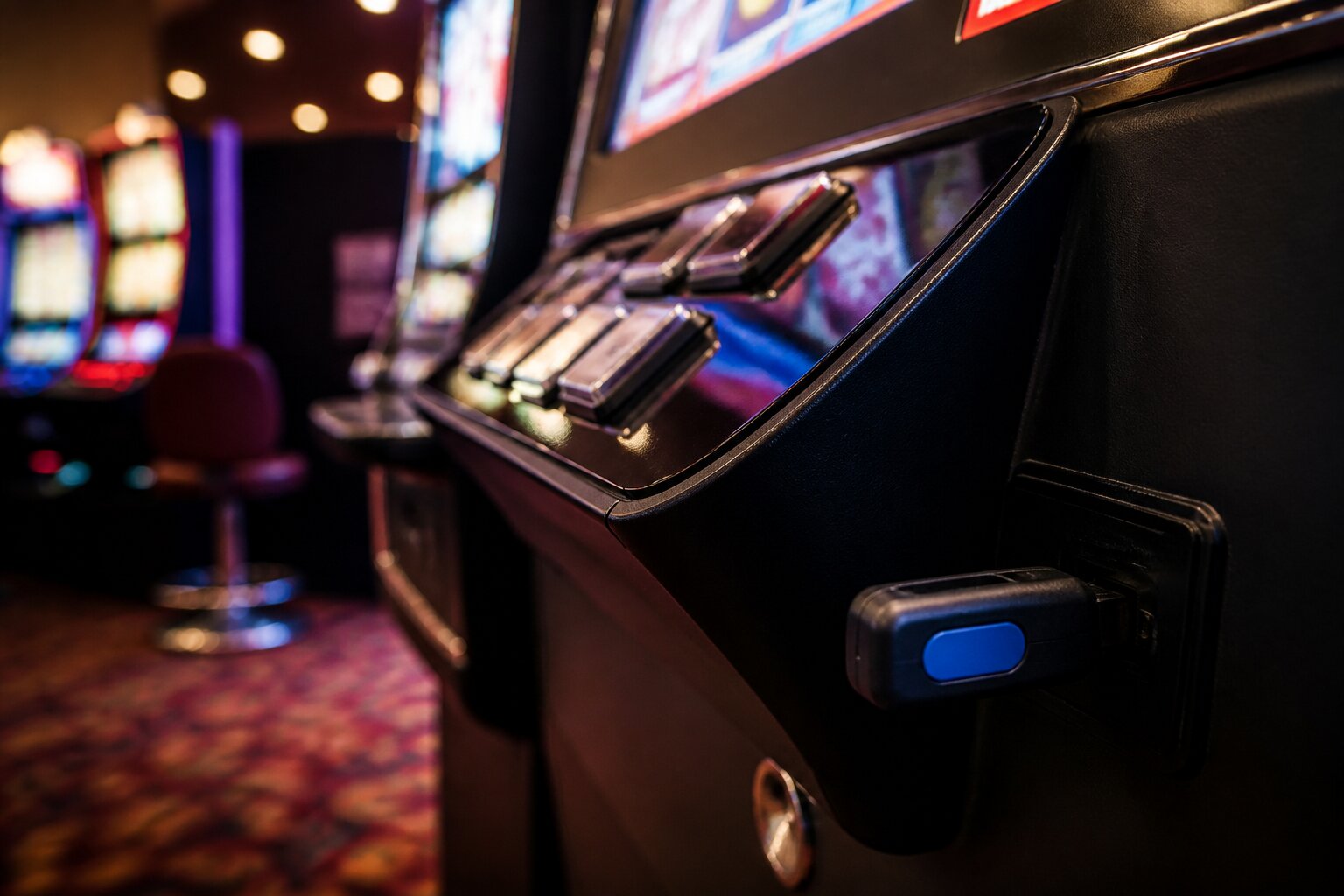
Ever wondered what those small devices are that people sometimes mention in connection with fruit machines or slot machines? You’re not alone. There’s a fair bit of confusion, and a few myths, so this article walks through what dongles do, who uses them, and why they matter.
You’ll get clear explanations and practical examples, written plainly so it’s easy to follow whether you’re a player, a venue manager, or simply curious. Read on — each section builds on the last to give a full picture without repeating the same points.
What Is a Fruit Machine Dongle?
A fruit machine dongle is a compact electronic device that connects to a slot machine to grant access to functions the public cannot reach. Operators and qualified engineers use them to perform authorised tasks such as loading approved software, running diagnostics, or checking configuration settings.
Typical authorised uses include:
- loading manufacturer or operator-approved software and updates
- running diagnostic tests to identify faults or performance issues
- accessing and verifying configuration and payout settings
- performing maintenance checks and authorised repairs
These tools are not for players. Their purpose is technical and administrative: to keep machines working correctly and to ensure they meet regulatory and safety standards. Access is restricted to trained, authorised personnel and is normally logged and audited to maintain integrity.
Using a dongle for any other purpose is unlawful and could result in criminal or civil penalties. Misuse may also lead to suspension or loss of licences, disciplinary action by employers, and reputational damage for those involved.
How Does a Slot Dongle Function?
A slot dongle acts like a secure key to a machine’s internal systems. When attached, it establishes a communication channel between the dongle and the gaming hardware or software, allowing authorised users to view or alter settings permitted by regulations.
Security features commonly built into dongles include unique identifiers, encrypted connections, and restricted command sets. These protections prevent unauthorised access and make it clear which actions are permitted. For example, an engineer might use a dongle to upload an approved firmware update or to run a diagnostic routine that logs error codes for later review.
While a dongle can enable changes to configuration, it cannot legally alter the random number generator or change payout structures outside permitted maintenance and approved updates. Its role is administrative and technical rather than affecting game outcomes.
Why Do Fruit Machines Use Dongles?
Dongles are used because they provide a controlled way to manage machines without exposing sensitive systems to everyone. They act as a physical key that limits access to authorised personnel only, helping to reduce the chance of accidental or deliberate interference.
They support operational needs such as:
- software updates,
- fault-finding and diagnostics,
- configuration changes and parameter adjustments,
- secure backups and data retrieval.
That controlled access makes routine maintenance quicker and more straightforward, since engineers can carry a single, portable device that grants the right level of access on site. Dongles also allow some operations to be performed offline, which can be useful in venues with limited or restricted network connections.
From a compliance point of view, dongles help operators meet regulatory requirements by restricting who can make changes and by creating an audit trail of authorised actions. This means operators can show regulators who made which changes, and when, supporting transparency and accountability.
That combination of security, operational convenience and traceability is essential for venues that must demonstrate they operate within legal and regulatory frameworks. It also helps to manage risk by limiting the number of people able to alter game behaviour or access sensitive device functions.
Common Myths About Slot Dongles
Stories and rumours have built up around dongles, so it helps to separate fact from fiction. A few common misconceptions are worth addressing.
- Dongles cannot improve a player’s chances or unlock secret payouts. Any change that affects outcomes must go through formal approval and testing.
- They are not tools for the general public; unauthorised use is illegal and promptly investigated.
- Rather than being a way to cheat, dongles are part of the controls that help ensure machines remain fair and consistent.
Knowing these points makes it easier to understand why venues restrict access and why operators maintain strict procedures for dongle use.
If you want to dig deeper into how machines are kept safe, the next section explains where these devices are typically found and why location matters.
Are Fruit Machine Dongles Legal in the UK?
Yes, they are legal when used by authorised personnel for legitimate maintenance and administration. Their manufacture, distribution and use are subject to UK law and to the regulatory framework established by the UK Gambling Commission (UKGC). That framework requires operators to keep accurate records, to ensure machines are configured correctly, and to limit access to any tools that can affect machine operation or configuration.
Unauthorised possession or use of a dongle is an offence under those regulations and under criminal law. Intentionally using a dongle to alter payouts, bypass security or enable fraudulent play can lead to prosecution, licence sanctions, fines and other enforcement action.
Operators implement a range of controls to reduce risk and meet regulatory requirements. Typical measures include:
- staff training and vetting so only authorised, competent people handle sensitive tools
- secure storage and physical controls to prevent unauthorised access
- logging and audit trails that record when and by whom a dongle was used
- clear policies and procedures governing permitted use and reporting of incidents
These measures protect customers and help maintain the integrity and fairness of gaming operations. If you are unsure whether you are authorised to possess or use such equipment, check with the relevant operator or regulator before handling it.
Where Are Slot Dongles Typically Used?
Dongles are most commonly seen behind the scenes in regulated environments. Typical locations include:
- Casinos
- Adult gaming centres
- High street arcades
- Betting shops
- Pubs or social clubs that have licensed gaming machines
In each case, the devices are held and operated by trained staff or contracted engineers. Operators will normally require proof of training and follow written procedures before using a dongle to carry out diagnostics, updates or repairs.
Access is confined to those with authorisation, and venues enforce age and entry policies so that technical work takes place in controlled circumstances. These controls usually include restricted access areas, sign-in logs and supervisory checks to ensure only permitted personnel are present.
That approach helps both to protect the public and to make sure maintenance work does not interfere with normal play. It also helps venues remain compliant with regulatory requirements by reducing the risk of unauthorised access, accidental tampering or operational disruption.
What Happens If a Dongle Is Lost or Damaged?
When a dongle goes missing or is damaged, operators treat it as a significant security incident. The incident is handled promptly to protect systems and data and to ensure compliance with regulatory requirements.
The typical immediate response includes:
- reporting the issue to the relevant security and compliance teams as soon as it is discovered
- deactivating or revoking the device's credentials if technically possible
- carrying out an investigation to establish how the dongle was lost or damaged and whether any unauthorised access occurred
Investigations usually involve checking access logs, interviewing staff, and reviewing CCTV or other relevant records where available. Findings are documented and retained in line with record‑keeping policies so that any trends or weaknesses can be identified and addressed.
Replacement devices are issued only after appropriate checks and approvals. Controls commonly include verifying the identity of the requester, ensuring the original device has been properly deactivated or reported, and updating asset registers to reflect the change.
These procedures minimise the risk of misuse, maintain the chain of custody for sensitive tools, and support ongoing audit readiness. Organisations also typically use lost or damaged incidents as learning opportunities to improve training, processes and physical security.
How to Properly Maintain a Fruit Machine Dongle
Proper care helps ensure dongles remain reliable and secure. Regular attention reduces the chance of faults and limits downtime, keeping machines operational and compliant.
Manufacturers provide guidance on storage and handling, which usually includes:
- keeping the device in a locked cabinet when not in use;
- avoiding exposure to water and other liquids;
- storing away from extreme heat or cold and rapid temperature changes;
- protecting the device from dust and physical impact.
Operators also follow routine administrative controls. Common measures are:
- keeping accurate usage logs that record when a dongle is fitted, removed or serviced;
- restricting physical access to named, authorised staff who are trained in handling and security;
- taking any dongle that shows signs of wear, corrosion or malfunction out of service for inspection and testing.
When a fault is confirmed, the device is replaced or professionally repaired according to the manufacturer’s instructions. These routine practices protect both the equipment and the venues that depend on it, and help demonstrate a consistent approach to safety and security.
Key Takeaways on Slot Dongles
This final section pulls together the essential points so you can leave with a clear understanding.
Security Comes First
Dongles are tools used to manage and maintain machines in a controlled way. They limit access to critical settings and support necessary checks and updates.
No Impact on Payouts
They do not change how a machine determines outcomes. Any modifications that could affect play must pass regulatory approval and testing.
Strict Legal Controls
Use is restricted to trained, authorised personnel and is subject to regulation and audit. Unauthorised use is illegal and actively prevented.
Supporting Safe Play
Keeping machines properly maintained and securely managed helps protect players and venues alike. If you have questions about how machines are looked after at a venue, contact the staff or operations team and they will explain the safeguards in place.
**The information provided in this blog is intended for educational purposes and should not be construed as betting advice or a guarantee of success. Always gamble responsibly.