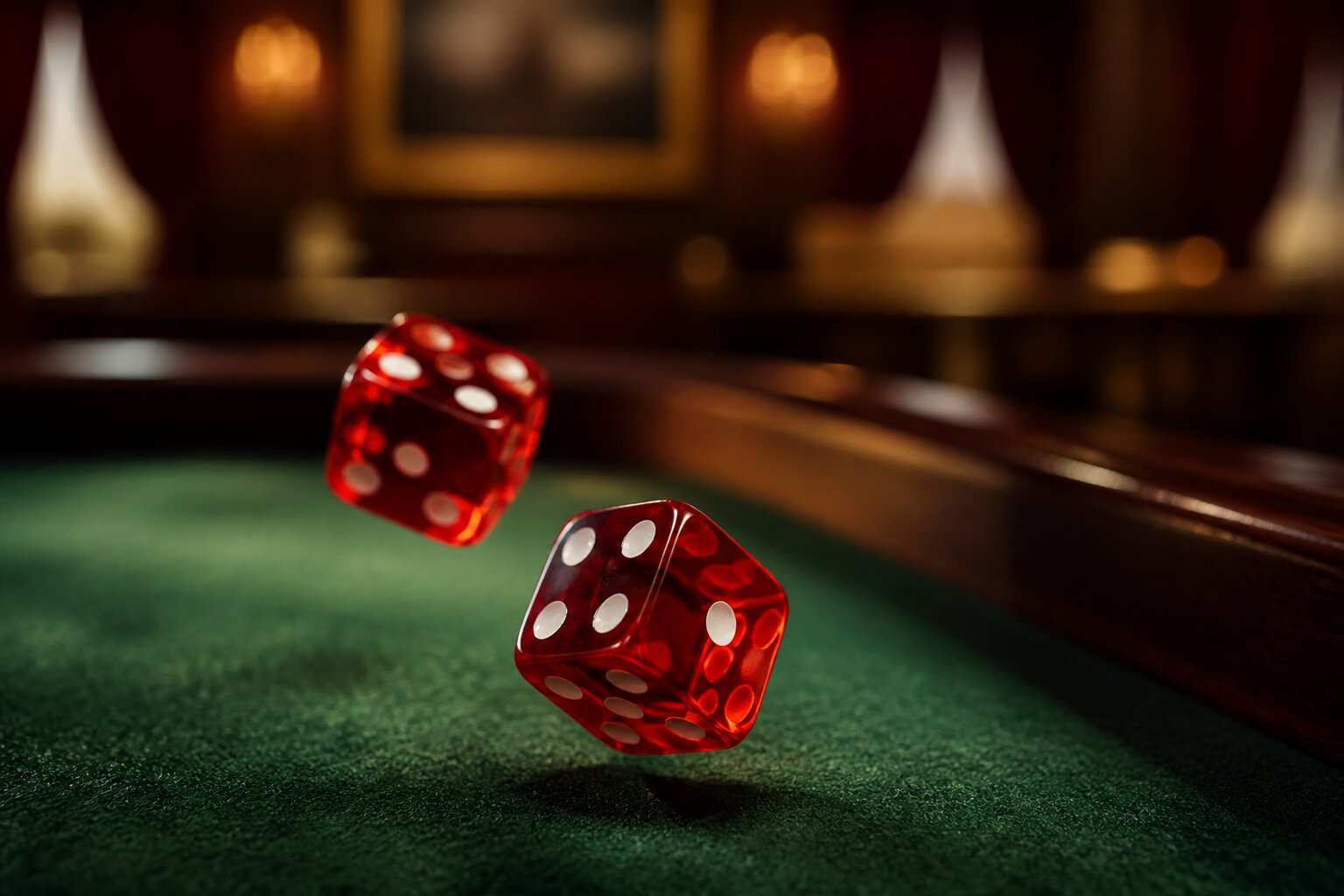
Ever wondered why some craps players call out "snake eyes" or celebrate a "boxcars" roll at the table? Dice games are full of colourful nicknames and quirky terms that give each throw a bit of personality.
Whether you’re just getting started or want to sound more at home at the table, learning these names will help you follow the action and join the banter. Stick with me and you’ll pick up the most useful terms and a little background on where they come from.
Ready to explore the language of the dice? Let’s get into it.
Why Do Dice Rolls Have Nicknames?
Most nicknames for dice rolls grew out of tradition. Games such as craps have been played for generations in casinos and social settings, so players naturally adopted catchy phrases to describe common results.
These terms make communication quicker during fast play and add colour to the experience. Saying "hard eight" instead of "two fours" is shorter and sounds part of the ritual. Nicknames also help create a sense of community; they are a shared shorthand that players and dealers use to connect and keep the atmosphere lively.
Over time, many of these expressions have become part of game culture, carrying stories and quirks from different eras and places.
Popular Dice Roll Names & Their Meanings
Below are some of the most widely used nicknames you might hear at a table or among friends. Each heading explains what the term refers to and a little about its origin or use.
Snake Eyes
This refers to rolling two ones, a total of two. The two single dots on the dice are said to resemble a pair of snake eyes, which is how the phrase came about.
Players often treat snake eyes as an unlucky roll in casual conversation, and the term has spread into wider slang beyond the gaming table. It is commonly used in both craps and other dice games to describe that specific outcome.
Boxcars
Boxcars is the name for a pair of sixes, a total of twelve. The six-dot faces line up visually in a way that reminded players of freight train boxcars.
The term is used to announce the roll and can carry different connotations depending on the game being played. In some games twelve is a desirable result, while in others it has particular implications for bets or the next stage of play.
Hard Eight
A "hard" number means both dice show the same value. A hard eight is two fours, in contrast to an "easy eight" made from five plus three. The distinction matters in some bets and in how players talk about the roll.
Casinos and betting games sometimes treat hard and easy numbers differently for side bets or payouts. Players will call out hard eight to make clear the dice produced a pair rather than a combination that totals the same value.
Little Joe
Two twos, totalling four, are called Little Joe. The phrase has been part of craps vocabulary for many years and turns up in casual play as a quick shorthand.
It is a friendly, informal term that helps keep the action moving and reduces confusion when several people are talking. Little Joe is especially common around social tables and in informal commentary about rolls.
Yo (Yo-leven)
"Yo" is used for eleven. It helps avoid confusion with seven, which can sound similar when the table gets noisy.
Saying yo or yo-eleven makes it clearer which number was rolled, particularly at busy tables or when players from different backgrounds are involved. It is a practical piece of table language rather than a comment on luck.
Craps
On the come-out roll, the totals of two, three or twelve are collectively referred to as craps. The term has a long history and is central to how certain bets are resolved.
In games such as craps, these totals usually result in specific outcomes for pass and don't pass bets on the initial roll. Knowing this terminology helps players understand and follow the rules and the flow of the game.
How Do Dice Roll Nicknames Differ Between Games?
Nicknames shift depending on the game and the group playing. The language you hear in a board game circle, a tabletop roleplaying session, or a casino will reflect the pace and culture of that setting.
Board games tend to keep things simple, using numbers or minimal shorthand so everyone can follow. Tabletop roleplaying games use a variety of dice and often describe them by type, such as d20 for a twenty-sided die, and groups may invent their own in-jokes. Casino games, especially craps, preserve a lot of traditional nicknames as part of the game's ritual and speed of play.
If you move between settings, you will notice these differences quickly, and adopting the local terms helps you fit right in.
Board Games
In most board games, clarity is key. Players will typically say "roll a six" or "double fours" rather than use colourful slang. That helps keep turns moving at a steady pace and makes the game easier to follow for newcomers.
That said, a familiar nickname like "snake eyes" can still pop up for a bit of fun, particularly with games that lean into thematic play. Casual phrases and short nicknames are usually harmless when used sparingly, and they can add atmosphere without confusing other players.
Common spoken calls you might hear at the table include:
- "roll a six"
- "double fours"
- "snake eyes"
Keeping language simple and consistent is the best way to keep everyone engaged and ensure the game runs smoothly.
Tabletop Roleplaying Games
RPG groups rely on a wider range of dice. Players commonly use dice with different numbers of faces to resolve actions and determine outcomes. These can include d4, d6, d8, d10, d12 and d20, each giving a different feel to rolls and probabilities.
You will hear references to specific dice types and combinations, such as:
- "two d6"
- "d20 check"
- "d4 burst" or similar shorthand
Many groups also create their own playful phrases tied to campaign moments. These might come from a particularly memorable roll, a repeated NPC quirk, or a dramatic scene, and they help give sessions a unique flavour.
Over time these expressions become part of the group's shared history. They often appear alongside house rules and inside jokes, shaping how future sessions unfold and how new players are introduced to the group.
Casino Games
Casino play, and craps in particular, is where nicknames are most entrenched. Dealers and players use them to speed communication and keep the energy high.
The terms are a mix of practical shorthand and tradition. Learning a few will make watching or joining a game more enjoyable, and helps with understanding the pace and calls at the table.
People use nicknames for several reasons:
- to speed up communication so decisions and bets happen more quickly
- to keep the atmosphere lively and social during a fast-moving game
- as a bit of tradition and local colour that varies between venues
If you enjoy the social side of games, this variety of language is part of what makes different venues feel distinct. Remember to play responsibly and be aware of your limits while taking in the atmosphere.
Are There Regional Differences in Dice Roll Terminology?
Yes. Local language and culture influence the nicknames players use, so terms can vary between countries and even between regions within a country. A phrase common in one place may be unheard of elsewhere, or it may carry a slightly different meaning.
For example, widely recognised names like "snake eyes" are used in many places, while other terms might be regional or tied to older slang. These variations add character to the hobby and reflect the many ways people enjoy dice games across contexts.
Learning a few local terms can be a fun way to connect with new players and understand the history behind certain expressions.
Unusual & Lesser-Known Dice Roll Nicknames
Beyond the well-known phrases, experienced players and niche groups have created a range of more obscure nicknames. These often come from personal humour, local tradition, or fading slang.
Examples include "ace deuce" for a one and a two, "fever five" for a 4+1 combination, and quirky names like "puppy paws" for double threes. Some terms pop up only within specific circles and may never reach wider use, while others survive precisely because they sound amusing or memorable.
These lesser-known names can be a talking point and a way to show you know your way around the table without altering how the game plays.
Myths & Misconceptions About Dice Roll Terminology
There are a few common misunderstandings about nicknames. One is that speaking or calling out certain phrases will affect future rolls. That idea is part of folklore but has no bearing on the mechanics of play; outcomes are governed by randomness and probability, not by what is said at the table.
Another misconception is that knowing the vocabulary provides a strategic edge. Familiarity helps you follow the game and communicate faster, but it does not change the mathematical odds or your playing ability.
Understanding these points keeps expectations realistic and helps preserve the nicknames as what they are: social and cultural elements of the game.
How to Use Dice Roll Nicknames in Conversation
Using nicknames can add warmth and personality to game talk, but it works best when used naturally and sparingly. Say them to join the mood, not to dominate it.
When you use these terms, match the tone of the group. In casual home games, playful language is usually welcome. In more formal or unfamiliar settings, simpler phrasing may be clearer. Above all, aim to include others with your banter rather than exclude them.
Keep this approach in mind and the nicknames will enhance the experience rather than distract from the play.
Making the Most of the Banter
A well-timed phrase can lighten the mood and encourage friendly interaction. Use nicknames to share a laugh or acknowledge a notable roll, and you’ll find they can help build rapport at the table.
Keeping It Friendly
Stay mindful of others. Nicknames should add to the atmosphere, not create pressure or confusion. Use them as a way to connect, not to impress.
Responsible Play
If money is involved, set sensible limits before play begins and stick to them. Treat the game as entertainment and keep your focus on enjoying the experience rather than chasing outcomes.
**The information provided in this blog is intended for educational purposes and should not be construed as betting advice or a guarantee of success. Always gamble responsibly.