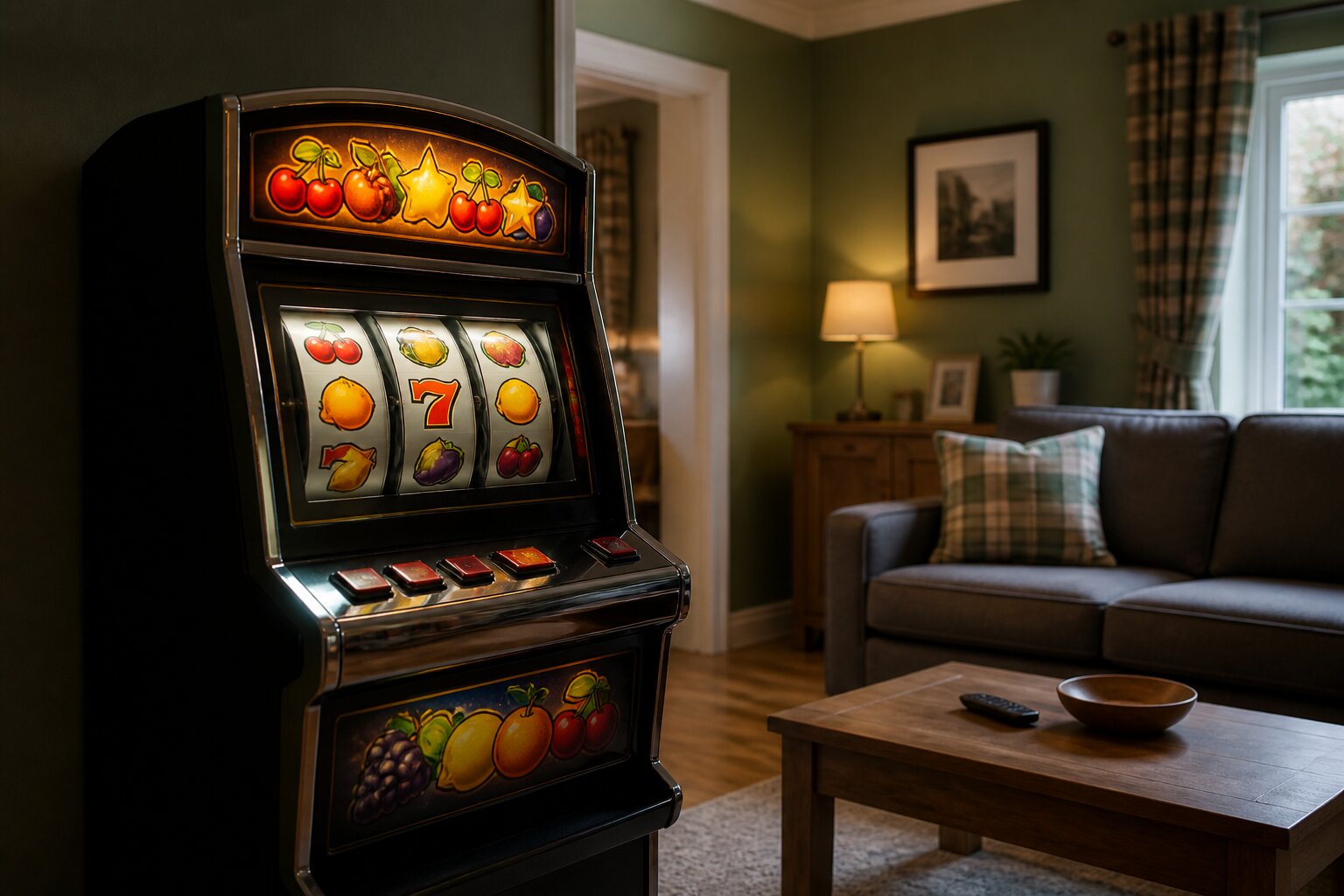
Ever thought about bringing the buzzing lights and sounds of a slot or fruit machine into your living room? It’s a popular idea for collectors and hobbyists, and plenty of people enjoy restoring or displaying these machines as pieces of nostalgia.
Before you take the plunge, it helps to know the rules. Can you own such a machine in the UK, and what limits apply to how you use it? Read on—this guide focuses on the practical legal points so you can enjoy a machine without surprises.
Understanding UK Laws on Private Slot and Fruit Machines
The Gambling Act 2005 sets out how gaming machines are regulated in the UK. It draws a clear distinction between private ownership for personal use and commercial operation where people gamble for prizes or money.
Owning a machine at home for personal enjoyment is generally permitted. The key limitation is use: it must not be operated in a way that allows people to stake money and win cash or other prizes, because that turns it into a commercial gambling device subject to licensing and regulation. Machines located in public venues such as pubs or arcades are treated differently, and operators must comply with licensing and machine category rules designed to protect players.
If you live in shared accommodation or are unsure whether a situation might stray into commercial activity—such as letting guests play for stakes—seek advice from local authorities or the Gambling Commission to avoid any misunderstandings.
Do You Need a Licence for a Slot or Fruit Machine at Home?
For a machine kept strictly for private use you do not need a licence. Licensing applies when a machine is used in a business context or offered for gambling with prizes or cash.
The simple test is whether anyone is charging to play or standing to win money. If the machine remains in your home for you and your household to enjoy without payment or prizes, it stays outside the regulated commercial sphere. Once you introduce payment, stakes, or prizes, licensing rules kick in and the situation becomes regulated and potentially subject to enforcement.
If there is any doubt about how a machine will be used, checking with the Gambling Commission or your local council is a sensible precaution.
Where Can You Install Slot and Fruit Machines Legally?
You can install a slot or fruit machine in a private home for personal use. That is the clearest and most straightforward option for collectors and hobbyists. Keep the machine secure and ensure it is not accessible to anyone under 18.
Installation in business premises such as pubs, clubs or arcades requires adherence to licensing requirements and technical standards for the machine type. Venue operators must also meet conditions linked to age verification and the machine’s category and placement.
If your machine will be displayed or moved between locations—say for events or shows—plan for the possibility that different settings could bring different legal obligations.
Selling or Buying Slot and Fruit Machines: What to Know
Buying and selling machines is common among enthusiasts, but it is important to do so responsibly. Machines can be traded privately or through dealers specialising in vintage or amusement equipment, and you should check provenance to make sure a machine was not previously used in an unlicensed commercial operation.
Keep paperwork such as sales receipts and any service history. These records help demonstrate legitimate ownership and the intended private use of the machine. When purchasing, inspect the machine for any modifications that could enable commercial play; some devices can be altered to accept payments or to pay out automatically, which would change their legal status.
Sellers should confirm the buyer is aged 18 or over and make clear the machine is for private use only. Avoid selling to anyone who indicates they will operate the machine commercially unless they hold the appropriate permissions.
Are There Age Restrictions for Ownership?
You must be at least 18 to buy or own a slot or fruit machine in the UK. This requirement applies whether you purchase a machine, receive one as a gift, or transfer ownership. Sellers are expected to check a buyer’s age before completing a sale, and maintaining that practice helps prevent unauthorised access by younger people.
Age checks are part of wider responsibilities around keeping machines out of reach of under-18s, which includes storing them securely and supervising any use within the household.
Common Myths About Owning Slot and Fruit Machines at Home
Misunderstandings about private machines are widespread. One persistent myth is that owning a machine is an easy way to make money; in truth, turning a private machine into a source of profit without the correct permissions is illegal. Another misconception is that private machines are entirely unregulated. While they do not need a gambling licence for strictly personal use, there are still rules about age and not operating them commercially.
People sometimes assume that if play is “just for fun” rules do not apply. Yet ownership and access requirements still stand: buyers must be 18 or over and machines must not be offered for paid play or arranged competitions with prizes. Keeping the purpose and use of the machine clear helps avoid both legal and practical problems.
If you want confirmation about a specific machine’s status, a short enquiry to a knowledgeable dealer or the regulatory body can clear things up quickly.
Potential Risks and Legal Consequences
There are real risks to misusing a slot or fruit machine. Running it as an unlicensed gambling device, allowing underage access, or permitting commercial use without permissions may lead to fines, seizure of equipment, or other legal action. Authorities treat breaches seriously because they can expose people to harm and bypass consumer protections.
Other practical risks include buying a machine with hidden modifications that change its legal category, or acquiring a machine with a disputed history. Losing paperwork or failing to check a purchaser’s intentions can cause trouble later on. Taking straightforward precautions — checking provenance, keeping records and securing the machine — reduces these risks and helps if any questions arise.
If you face uncertainty over a machine’s legality or find yourself unable to demonstrate lawful private use, obtain formal guidance rather than proceeding on assumption.
Summary: Staying Compliant with UK Slot Machine Laws
A small number of clear rules will keep you on the right side of the law when owning a slot or fruit machine at home. Keep the machine strictly for private use, ensure it remains inaccessible to anyone under 18, buy and sell through reputable channels with proper records, and be cautious about any alterations that could enable commercial play.
If you are unsure about ownership, placement or a possible sale, contact the Gambling Commission or your local authority for guidance. If you prefer, get in touch with us and we can point you towards reliable resources and dealers to help you proceed with confidence.
**The information provided in this blog is intended for educational purposes and should not be construed as betting advice or a guarantee of success. Always gamble responsibly.