
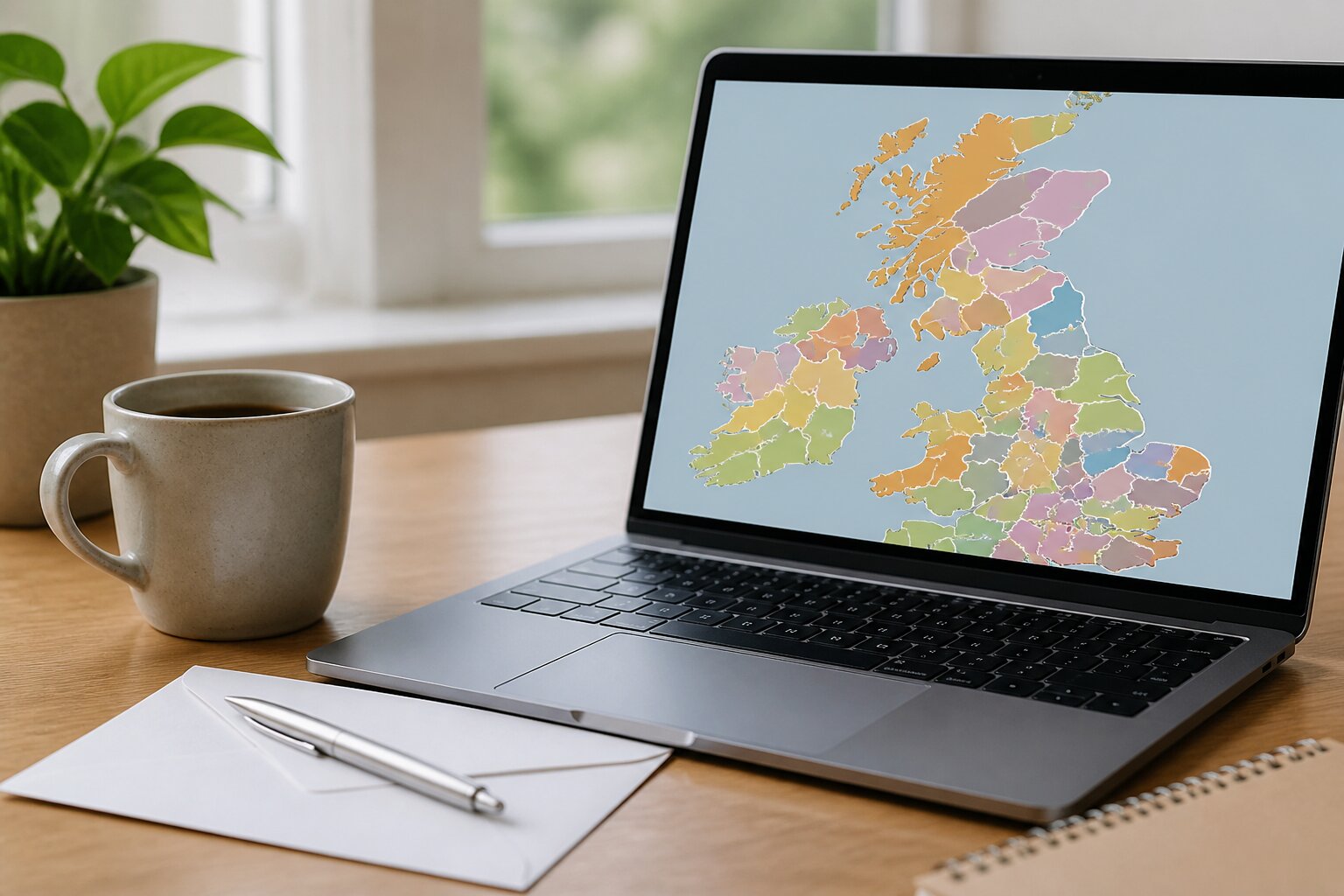
Ever wondered just how many postcodes are actually involved in the Postcode Lottery? Or maybe you’re curious if you could play with any postcode you fancy, even if it’s not your own?
If these questions have popped into your mind, you’re definitely not alone. The Postcode Lottery is widely played across Great Britain, but the details around which postcodes are included and who can enter can be confusing at first.
Before you pick your ticket—or someone else’s—let’s get to the bottom of how it all works. Read on for a clear guide to postcodes and your options in the Postcode Lottery.
How Many Postcodes Are Included in the Postcode Lottery?
The People’s Postcode Lottery covers the vast majority of residential postcodes in England, Scotland and Wales. There are over 1.8 million UK postcodes in total, and most standard residential codes in those three nations are eligible so long as someone in that postcode has bought a subscription.
There are some explicit exclusions. Postcodes in Northern Ireland are not part of the scheme, and other territories such as the Channel Islands and the Isle of Man are also outside the current coverage. In addition, postcodes used only for businesses or PO boxes commonly fall outside eligibility if they are not linked to a usual residential address.
The organisation updates its postcode list regularly to pick up new postcodes issued by Royal Mail. That means if a new residential postcode appears in England, Scotland or Wales, it will normally be added to the lottery’s eligible list so residents can take part. This ongoing update process helps ensure prize distribution reflects where people actually live.
If you live at a typical residential address in England, Scotland or Wales, your postcode is very likely included. You must be 18 or older to take part, and your entry details should reflect your current residence.
Can You Enter Any Postcode Or Is Entry Restricted?
Entry is tied to where you live. When you sign up you should use the postcode of your current home address; the system is not designed for choosing random postcodes or entering using someone else’s address. That keeps entries linked to the people actually living in each postcode.
Only residents of England, Scotland and Wales who are 18 or over can register. Proof of address and age may be requested in some situations to confirm eligibility, so keeping your details accurate matters. Holiday lets, businesses and other non-standard residential addresses are typically not eligible unless they meet the scheme’s residential criteria.
If you live outside the covered regions or do not have a valid UK residential address, you won’t be able to enter. The lottery’s terms explain any specific restrictions, so it’s a good idea to check them if you’re unsure about your situation.
It’s worth noting that these rules are there to make sure prize payments reach the correct people and to keep the system fair for everyone involved.
How Entry Works: Buying a Share And Assigning Your Postcode
Joining the People’s Postcode Lottery is organised around subscriptions, often described as shares for a postcode. When you subscribe, your name and address (including postcode) are recorded and that postcode is entered into draws while your subscription is active.
Each subscription covers the whole postcode for you as an individual entrant; you don’t buy separate paper tickets for each draw. You can take more than one subscription if you wish, up to the maximum allowed per address, and each subscription increases your share of any prize split for that postcode.
Payments are generally set up by Direct Debit, and the subscription continues until you cancel. Keeping your contact details and address up to date ensures that any winnings and communications reach you without delay.
Because prize money for a winning postcode is split among all paying subscribers linked to that postcode, choosing the number of subscriptions affects how much you might individually receive if your postcode wins.
Can Multiple People Enter The Same Postcode?
Yes — multiple people can and do enter using the same postcode. Neighbours in the same building or several adults at the same address can each hold their own subscription. Each person’s entry is treated separately, so multiple winners can come from the same postcode at a draw.
When a postcode is drawn, the total prize allocated to that postcode is divided among the subscribers who entered using that postcode. For example, if a postcode has three paying subscribers and it wins a postcode prize, the money is split according to each person’s number of subscriptions. That means more subscribers in a postcode generally means smaller individual shares, while fewer subscribers mean larger individual payouts.
This shared-entry model is part of how the lottery links prizes to communities rather than only to single ticket-holders.
How To Check If Your Postcode Is Eligible?
Finding out whether your postcode is eligible is straightforward. The lottery’s website includes a postcode checker that confirms eligibility when you enter your code. That same site also explains any regional exclusions and the basic residency requirements.
If you prefer to speak to someone, customer service can confirm eligibility and answer questions about proof of address or other documentation. Having a recent utility bill or official correspondence with your current address can help if any verification is needed.
Use the official source to be sure you have the most current information; third-party sites may not reflect recent postcode additions or rule changes.
Costs And Subscriptions For Postcode Entry
Understanding what you pay and how subscriptions work helps you decide whether to join. The subscription model is simple but worth examining so you know the monthly cost and how prize shares may be allocated.
Each subscription costs £12 per month, which covers entry into all draws held that month. Players can hold multiple subscriptions at the same postcode — up to the allowed maximum — and each additional subscription adds another monthly fee.
Payments are collected by Direct Debit, and subscriptions can be cancelled at any time without penalty. If you cancel part-way through a billing period you will not be charged for subsequent months once the cancellation is processed.
Prize payments are handled according to the number of subscriptions linked to a winning postcode. If a postcode has many paying entrants, the prize pot for that postcode is divided among them; conversely, fewer entrants mean a larger share for each subscriber.
When considering whether to take or increase a subscription, think about how it fits your personal finances. There is support available if you feel you need help managing gambling-related spending, and organisations exist to provide confidential advice. If you choose to sign up, our site can help you through the process and answer any questions along the way.
**The information provided in this blog is intended for educational purposes and should not be construed as betting advice or a guarantee of success. Always gamble responsibly.