
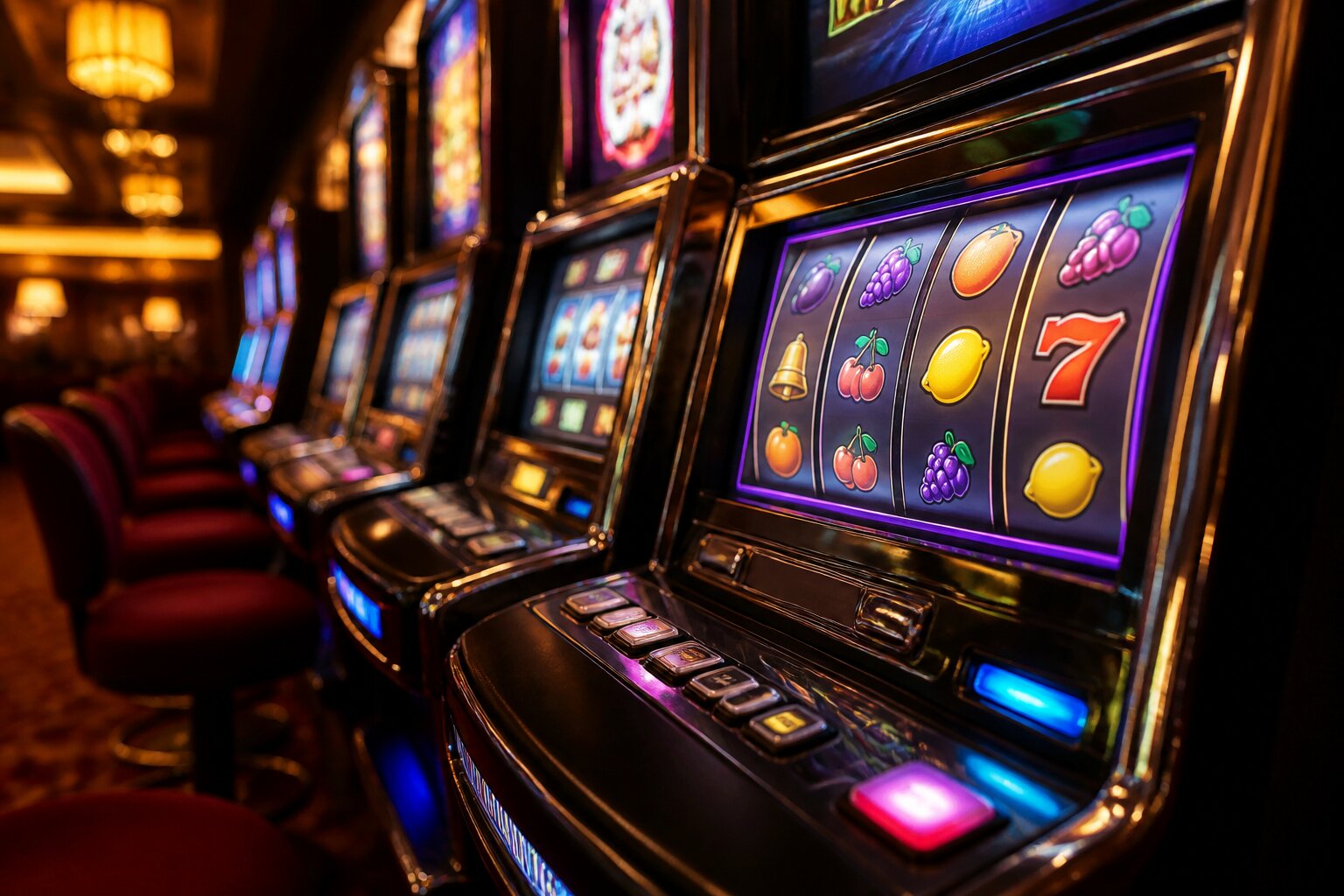
Ever found yourself staring at a slot machine, wondering what really goes on behind those spinning reels? You're not alone. Slots are some of the most played games in both online and real-world casinos, yet their inner workings can feel mysterious.
If you're new to slots, it can be confusing to understand how wins are decided or why different machines have their own features. Whether you want to try a spin for fun or simply learn what makes slot machines tick, you’re in the right place. Read on to find out how slots work, the secrets behind those flashing lights, and how you can enjoy them.
What Is a Slot Machine?
A slot machine is a game commonly found in casinos and online sites where the main visual element is reels that spin and stop to reveal symbols. The basic objective is to match certain symbols along set patterns, known as paylines, to receive a payout.
Slots exist in many styles, from simple three-reel classics to more complex five-reel video games with elaborate themes. Behind every one is software that determines outcomes; the mechanics differ little between physical machines and online versions in terms of how results are produced.
It is important to remember slots are designed for entertainment. Wins are not guaranteed, and results are determined by random processes rather than skill.
The Main Components Inside Slot Machines
Every slot, whether on a casino floor or on a screen, is built around a few core parts. Knowing these helps make sense of how the game behaves and what to expect when you play.
Below, we cover the three most important elements:
- reels
- symbols
- paylines
Reels
Reels are the vertical sections that appear to spin when you play. Traditional slots often use three reels, while modern titles usually have five or more. Some contemporary games feature unusual reel shapes or extra rows, which can change how symbols line up and how many potential win positions there are.
When you press the spin control, the reels move and then settle to display symbols in positions that the game will evaluate for wins. The animation you see is a visual representation; the result for each reel position is determined by the game’s internal mechanics at the moment of the spin.
Symbols
Symbols are the images that occupy the reel positions. They range from simple fruit and bars to themed icons such as historical artefacts, characters, or items that match the game’s story. Many games use a tiered value system, so some symbols pay out more than others.
Some symbols carry special roles:
- wilds, which substitute for other symbols to help form winning combinations
- scatters, which can trigger bonus features like free spins or mini-games
- multipliers or bonus symbols, which increase payouts or unlock extra rewards
Understanding what each symbol does is important because special symbols often change the way the game pays out and can affect the frequency and size of wins.
Paylines
Lines are the routes across the reels that determine winning combinations. A classic machine might have a single straight payline, but many modern slots offer multiple lines that run in various patterns or use cluster wins where adjacent symbols count.
Each payline defines which symbol alignments will produce a payout. Some games let you choose how many paylines to bet on, while others use a fixed number or rely on mechanic-based wins rather than traditional lines. Paytables and help screens explain the exact patterns and payouts for each title.
Now that you understand the visible parts, it helps to see what happens behind the scenes to decide each spin. The outcome of every spin is governed by the game’s internal random number generator and the paytable, ensuring each result is independent and follows the published return-to-player parameters.
Random Number Generators: How Do They Work?
At the core of every slot is a Random Number Generator, or RNG. This is the software element that produces the sequence of numbers used to determine reel positions and symbol outcomes.
The RNG continuously produces number combinations, whether the machine is being used or idle. When a spin is initiated, the game reads one of these numbers and maps it to the reel positions, which in turn determine which symbols appear. This mapping process is fast and deterministic from the number the RNG supplies, but because the sequence of numbers is effectively unpredictable, no one can know an outcome in advance.
Regulatory bodies require that RNGs and the software that uses them are thoroughly tested and subject to regular checks. These controls verify that the game behaves as intended and that outcomes are generated according to the game’s design and stated payout characteristics.
Understanding the RNG explains why every spin stands alone and why previous results do not alter future spins.
Are Online Slots Different From Physical Machines?
The outward differences between online slots and physical machines are mostly about presentation. Online games make fuller use of animations, sound and extra mechanics such as progressive jackpots or interactive bonus rounds, while physical machines offer a more tactile experience with buttons and levers.
Mechanically, both rely on RNG-driven outcomes and the same basic building blocks of reels, symbols and paylines. Licensing and regulatory checks apply to both formats, ensuring that the software or hardware matches the declared specifications for payouts and fairness.
If you enjoy the storytelling and visual effects of a game, online titles often offer more variety. If you prefer a more traditional feel, a venue machine provides that hands-on element while operating under the same core principles.
Common Myths About Slot Machines Debunked
There are many misconceptions about slots. Clearing them up helps set realistic expectations and keeps play straightforward. Knowing how the games work can reduce frustration and help you manage your time and money more sensibly.
Myth 1: “Slots are due a win soon.”
Fact: Each spin is independent. No previous play changes the odds of the next result; the outcome is decided by the random number generator at the moment the spin is made.
That means there is no concept of a machine being “cold” or “hot” in a way that affects future spins. Wins and losses are the result of chance and the programmed return to player percentage over many, many spins.
Myth 2: “You can influence the results by pressing the button a certain way.”
Fact: The timing or manner of pressing the spin control does not change the outcome. The result is already determined by the random number generator when the spin is initiated.
You cannot affect the internal process by tapping, nudging, or using any particular technique. Any perception of control is an illusion created by random variation.
Myth 3: “Casinos can make slots pay out less or more.”
Fact: Licensed games must adhere to regulatory standards and testing to ensure they deliver the stated payout behaviour. Tampering with outcomes would contravene these controls and the conditions under which the games are certified.
Regulatory bodies require independent testing and certification of games to confirm they operate as advertised. Operators and developers are subject to audits and must keep detailed records, so deliberate manipulation would be detected and sanctioned.
Myth 4: “There’s a pattern to winning.”
Fact: Because outcomes are governed by random processes, there is no reliable pattern or system that predicts future results.
Attempts to find or exploit patterns are therefore fruitless in the long term. The only practical ways to manage play are sensible bankroll control, knowing the game rules, and understanding volatility and payout percentages.
Sticking to factual explanations keeps expectations clear and helps you make informed choices about play. If you are concerned about your gambling, seek help and use available tools such as deposit limits, time limits, and self-exclusion.
If you’d like to explore games on this site, you can review our range and apply the available limits before you begin.
What Happens When You Win on a Slot Machine?
When a winning combination appears, the game immediately indicates the result and shows the payout amount. In online games, credits or cash are added straight to your account balance. On venue machines, small wins often credit to the machine itself, while larger payouts are handled through a verification process and then paid out according to the venue’s procedures.
All significant wins are subject to verification to ensure the outcome is recorded correctly and processed securely, following regulatory rules. This verification protects both player and operator and makes sure payouts are awarded as intended.
It is wise to be aware of the practical aspects of claiming winnings and to stay within any personal budgets you have set.
Understanding Payouts and Return to Player (RTP)
Payout percentages or Return to Player (RTP) give an indication of how a game distributes wagers back to players over a very large number of spins. RTP is expressed as a percentage, for example 95% or 96%, and reflects the theoretical long-term return a game is designed to provide.
RTP should be treated as a statistical average calculated across many plays and many players, not as a promise for a single session. Short-term results can vary widely. The RTP is set during the game’s development and reviewed through testing and regulatory checks to make sure it matches the published figure.
RTP is useful for comparing different titles, but it does not predict what any individual player will experience in a given session. Keep that perspective in mind when choosing which games to try.
Responsible Gambling: Setting Limits on Slot Play
Maintaining control over how you play is essential for a positive experience. Gambling providers and venues offer tools to help manage spending and time spent playing, and knowing about these options makes it easier to stick to your own limits.
You can set deposit limits to control how much money goes into your account over specific periods, and loss limits to cap how much you are prepared to lose. Time limits or session reminders help you avoid spending more time than intended. For those who need a longer break, self-exclusion and timeout options are available.
If gambling stops being enjoyable or you find those limits hard to keep, support organisations such as GamCare, BeGambleAware and the National Gambling Helpline can provide advice and help. Using these tools and support services keeps play within the boundaries you set and protects your wellbeing.
**The information provided in this blog is intended for educational purposes and should not be construed as betting advice or a guarantee of success. Always gamble responsibly.