
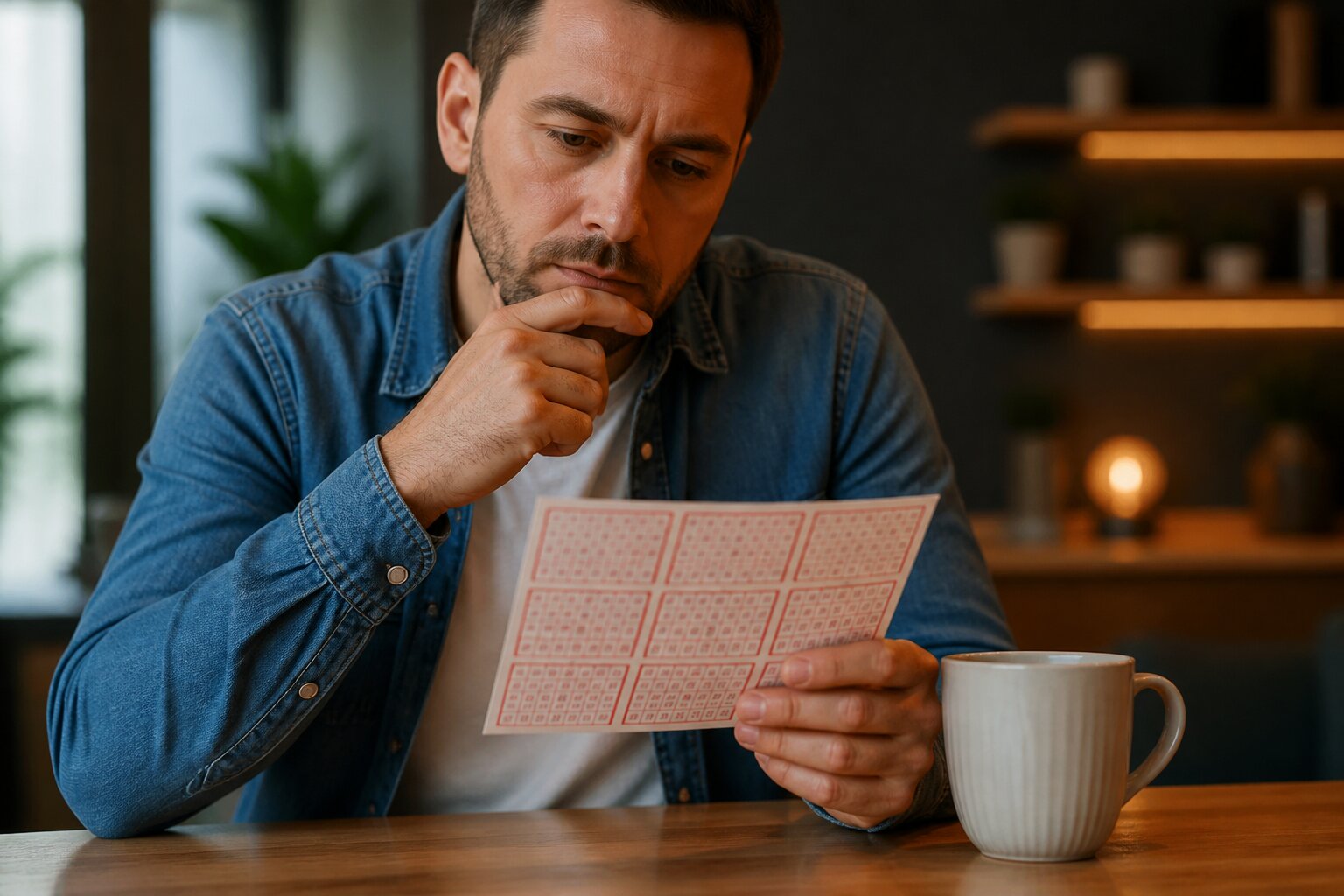
Ever checked a lottery ticket and wondered whether the numbers must be in the exact sequence drawn to win? That question comes up a lot, and the answer affects how you read a result and whether you claim a prize.
This article explains how number matching works, how prizes are arranged and paid, and what to do if you think you hold a winner. Read on to be clear about the rules and how they apply to different games.
How Are Lottery Numbers Drawn in the UK?
Lottery draws in the UK follow a tightly controlled procedure to ensure each draw is impartial and verifiable. Draws use either physical machines with numbered balls or certified random number generators for digital games. Independent auditors and officials supervise the equipment, tests and the draw itself to make sure everything follows regulatory standards.
Draws are usually broadcast live or made available to view afterwards so the public can see the process. Regular maintenance and testing of equipment, plus transparent procedures, help maintain confidence that every number has an equal statistical chance of being selected. Knowing this helps when you move on to checking whether a ticket matches the drawn numbers.
What Happens If You Match the Right Numbers But Out of Order?
For the main UK draw-based games, number order does not matter. If the numbers on your ticket match the official winning numbers for the correct draw, the ticket qualifies for the associated prize tier regardless of sequence. That applies to matching all main numbers and to the lower prize tiers where partial matches are rewarded.
Some specialised products or instant-win offerings may have different rules, so it is worth checking the specific game terms when in doubt. Next, the article looks at how those different games are structured so you can see how these general principles are applied in practice.
Types of UK Lotteries and Their Rules
The UK offers several popular draw-based games that share similar matching principles but differ in format, odds and prize structures. Each game has its own ticket options, draw schedule and set of rules that determine how numbers are chosen, how prizes are won and how winnings are paid. It helps to be familiar with those differences when learning how the national lottery system works.
National Lottery Lotto
Lotto involves choosing six numbers from 1 to 59. Prizes are awarded for matching a specified number of those drawn, and sequence is not relevant. Prize values increase with the number of matches, from smaller free-play awards up to the jackpot for matching all six main numbers.
The Lotto draw also includes supplementary numbers used to determine some lower-tier prizes, and plays such as multiple lines or advance draws can affect your entry. Odds of winning vary by prize tier, and the exact prize amounts for some tiers depend on ticket sales and the number of winners in each draw, so values other than the advertised fixed prizes can change from draw to draw.
EuroMillions
EuroMillions requires five main numbers from 1 to 50 plus two supplementary numbers. As with Lotto, matches are based on the numbers themselves rather than their order. Prize tiers cover a wide range of outcomes, from matching fewer numbers with modest payouts to the top-tier jackpot.
EuroMillions is played across several countries, which affects the size of its prize pool and the way rollovers operate. The game also features occasional special events and guaranteed prize promotions. As with other draw-based games, different countries may run additional rules or minimum payout guarantees, so it is sensible to check the current terms before playing.
Thunderball and Other Major Games
Thunderball uses a set of main numbers plus a separate Thunderball number. Matching combinations that include the Thunderball can attract fixed prizes, and again the order of the main numbers is irrelevant. Other games such as Set For Life follow the same basic approach but come with their own prize patterns and terms.
Set For Life and similar offerings pay out in a series of fixed instalments rather than a single lump sum, and their prize structures are defined separately from the national draw jackpots. Each game will state its claim periods, tax treatment and verification process, so winners should read the relevant rules and follow official procedures when claiming prizes.
With those formats in mind, it becomes clearer how prize pools are organised and distributed across winners. Odds, prize amounts and claiming rules differ by game and by prize tier, so consult the official rules and responsible play guidance if you need specific details.
How Are Prizes Calculated and Paid Out?
Prize funds are divided into tiers depending on how many numbers a player matches. For many games the jackpot is funded from ticket sales and shared equally between any jackpot winners. Lower-tier prizes may be fixed amounts or a share of a defined pool, depending on the game's rules.
The number of winners in a given tier affects the individual payout. For example, if several players match all main numbers in the same draw, the advertised jackpot will be split among them. Smaller tiers are typically less variable, but the exact amounts and calculation method are set out in each game’s published rules.
Jackpot and Lower-Tier Prizes
Jackpots go to tickets that meet the top-tier criteria for a game. Secondary prizes are awarded for partial matches and often have clearer, predetermined values. The balance between fixed and shared prizes varies by game, and prize tables published for each draw explain this in detail.
Claiming Your Winnings
Where and how you claim depends on the prize size and how the ticket was purchased. Minor wins from a paper ticket can usually be redeemed at authorised retailers; larger amounts require a direct claim through the operator’s official channels. Online entries are recorded automatically, which simplifies verification.
Keep the ticket intact and safe; signing the back of a paper ticket helps show ownership. Be aware of claim deadlines and the identity checks that are part of the claims process to ensure the payout is processed correctly. After you have the prize details, check the official guidance for the method and timetable for receiving funds.
If you think your ticket is a winner, the next section explains how to verify and secure your claim.
Common Myths About Lottery Numbers and Order
A persistent myth is that numbers must be in the drawn sequence to win. As covered earlier, standard draw games reward matching numbers regardless of order. Another misconception is that certain digits or patterns are more likely to appear; in properly run draws each number has an equal statistical chance of selection.
Believing in patterns or repeating past winners' combinations does not change the mathematical probabilities. No system or prediction method alters how official draws operate, and understanding that can prevent wasted time on ineffective strategies. With this in mind, the following section outlines the practical steps to take when you think you hold a winning ticket.
What to Do If You Think Your Ticket Is a Winner
Begin by checking the official draw results for the correct date and game. Verify each number carefully and keep the ticket or your online record secure. For paper tickets, signing the reverse provides a simple measure of protection; online accounts will already contain purchase and entry details.
Use official channels to make any claims and be cautious of scams. Larger prizes will require identity verification and will follow the operator’s claims process. Meet any stated deadlines and provide requested documentation promptly so the claim proceeds without delay. Once the administrative steps are complete, you will be informed about the payout method and timing.
Final Thoughts on Lottery Number Order and Payouts
For most UK draw-based lottery games, the order of numbers on a ticket is not relevant; matching the numbers themselves is what counts. Games are run with strong oversight, published rules and established prize structures so players can see how outcomes are determined.
If you play, take time to read the specific terms for each game, keep your tickets secure and follow official claim procedures when necessary. Support and advice on safe play are available through recognised channels for anyone who needs them. By understanding the rules and prize mechanisms, you can be confident about interpreting results and pursuing any legitimate claim.
**The information provided in this blog is intended for educational purposes and should not be construed as betting advice or a guarantee of success. Always gamble responsibly.